Find Out More
Epidemiologists design and conduct investigations aimed at improving the health of groups of people by combining knowledge from the social sciences, medicine, biology, the environment, and statistics.
April 16, 2026 | Erin Bluvas, bluvase@sc.edu
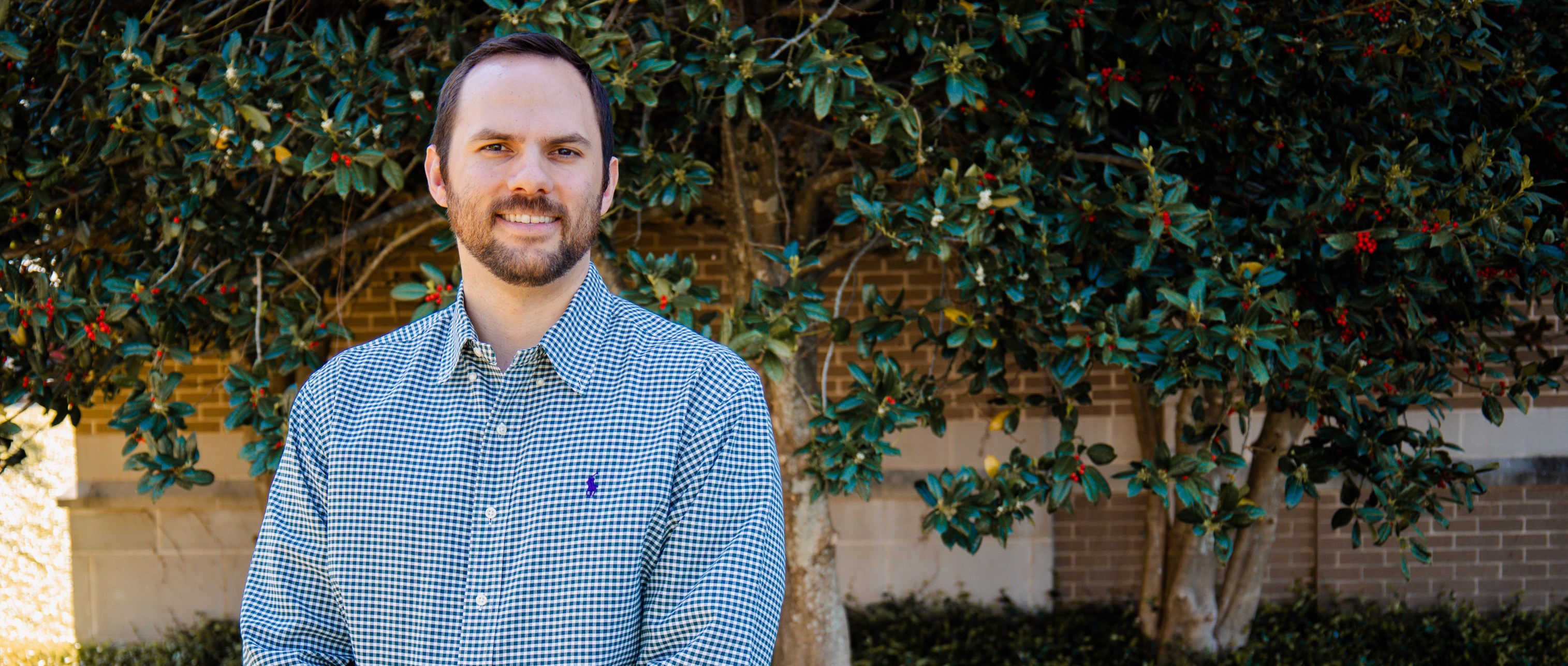
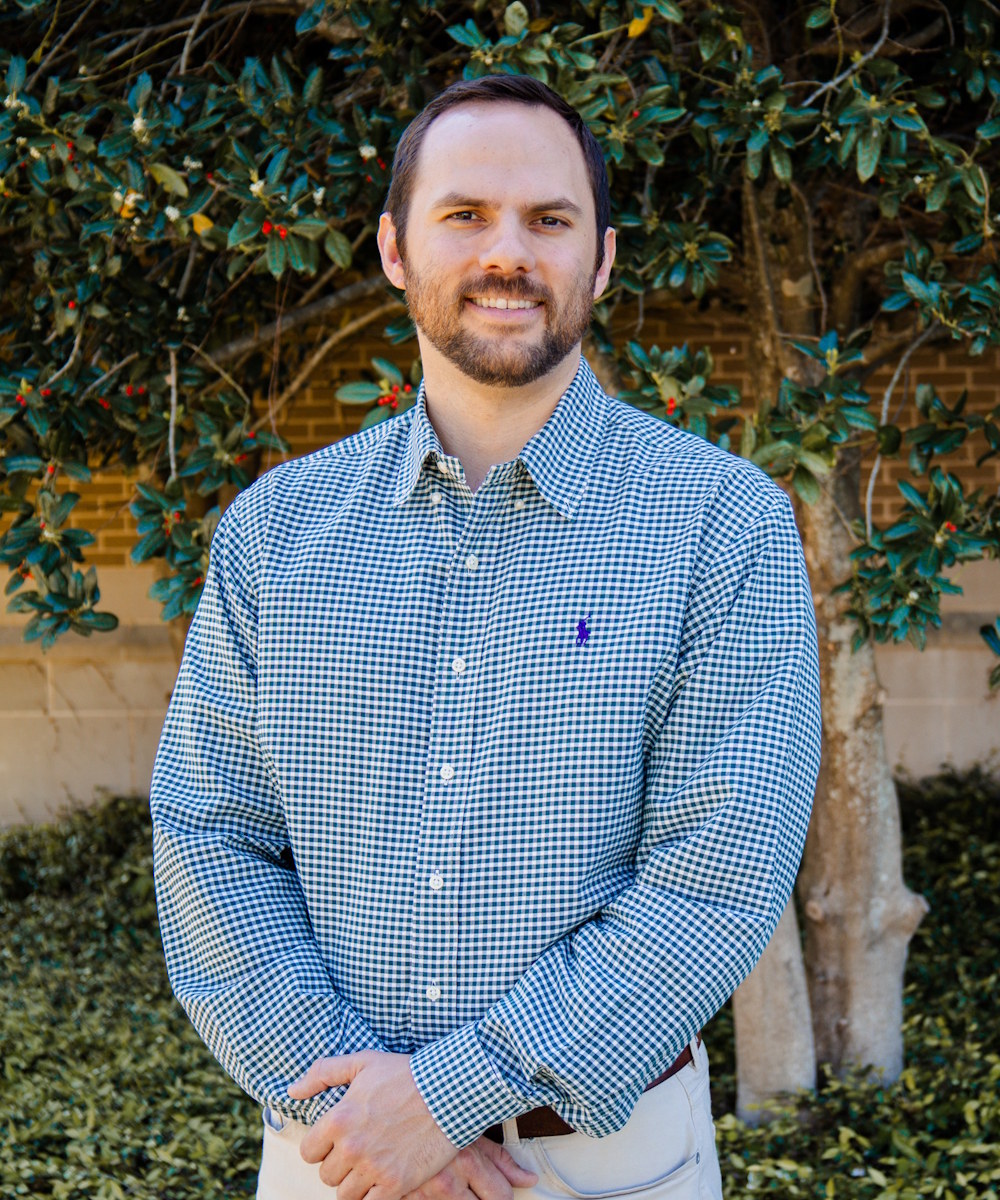
“I’ve always been interested in public health, even before I had a name for it,” says William Capell, who will complete his two-year Prisma Health/USC School of Medicine Columbia Preventive Medicine and Public Health Residency Program this summer. “During my time at USC as an undergrad and later in medical school, I found myself drawn to projects, research and volunteer work that focused on community health and broader determinants of health.”
A lifelong Gamecock fan and Columbia resident, Capell was a member of the South Carolina Honors College while studying biology and chemistry during his undergraduate years. He then earned a medical degree at the University of California, Los Angeles and completed an internal medicine internship at East Tennessee State University before returning to his home state.
“I discovered the preventive medicine and public health residency program and realized that I could train in a field I was genuinely passionate about, in a place that means so much to me,” he says. “It felt like a unique opportunity, and I was grateful to match at USC through the residency selection process, as it allowed me to align my professional goals with my personal commitment to the community I grew up in – one that I hope to continue serving long after graduation.”
Capell’s commitment to practicing medicine grounded in public health has been inspired by his desire to advance population health as well as his direct interactions with patients. He says that once he began his residency, he came face-to-face with the reality that many of their health issues were driven by factors far beyond what he could address as a single clinician.
“Like most people who go into medicine, I wanted to help and heal – and while I was doing that in the clinical setting, I became more interested in the underlying causes of disease that I didn’t have the tools to address,” Capell says. “One experience that stuck with me was caring for a patient with severe heart failure. We stabilized him medically, but he was discharged back to a situation without reliable housing, transportation or support. It made me realize that while I had done my job as a provider, I hadn’t truly improved his long-term health.”
With a motivation to address root causes, Capell knew that his residency in preventive medicine and public health, which includes the completion of a Master of Public Health (MPH) in Epidemiology, has enabled him to focus on the bigger picture. With a commitment to serving the Palmetto State, he is particularly interested in infectious disease epidemiology and immunization, as well as chronic disease prevention and rural health.
“Across these areas, I’m drawn to work at the intersection of public health and clinical practice – using data, research, and policy to inform care and improve outcomes at the community level,” he says. “Ultimately, my goal is to apply these interests in ways that strengthen public health systems and improve health outcomes in the communities that need it most, particularly here in South Carolina.”
As a member of Prisma Health and the Arnold School, Capell has valued the support he has received support from both entities in terms of access to resources, mentorship and networking across intersecting disciplines. Though he admits to a bit of bias, he loves the charm of Columbia as well as the ability to engage in meaningful, applied work in a city that is home to a major university, large health systems and the State House.
“For me, both the preventive medicine training and the MPH have been incredibly valuable, and I think there’s a real need for more physicians in this space,” Capell says. “It’s not the most traditional path, but if you’re interested in working beyond the individual patient level and improving health more broadly, it’s an incredibly rewarding direction.”
Epidemiologists design and conduct investigations aimed at improving the health of groups of people by combining knowledge from the social sciences, medicine, biology, the environment, and statistics.
The Arnold School is proud of our 2026 graduates, who will go on to change the world locally and globally. Learn about some of the other outstanding individuals who completed one of our 34 programs this year.