Siani Terry dashed into AutismConnect on April 7 with only a few minutes to spare before she had to go back to work. But even though this was her third year attending the conference, she wouldn’t think of missing it.
“Every year I leave with a different sense of what is possible,” said Terry, adding that the event has helped her discover ideas to help her autistic son. “Everything’s been so extremely helpful to my family. If it wasn’t for AutismConnect, a lot of people wouldn’t know about the resources available to them.”
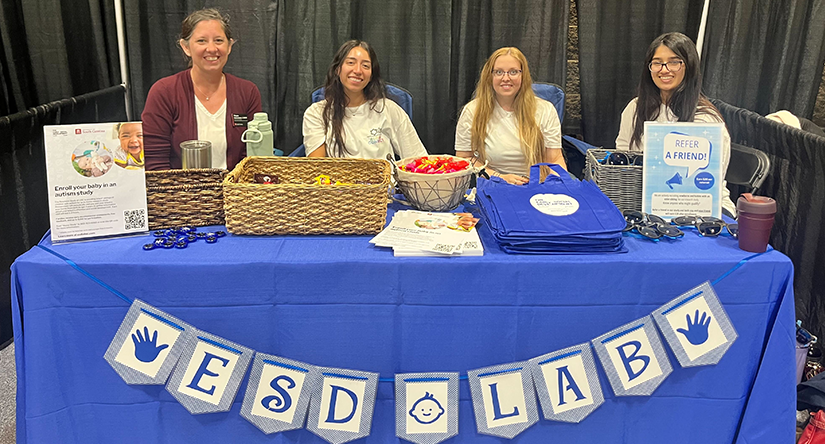
AutismConnect brings together researchers, health care providers, advocacy organizations and others with the common cause of supporting individuals with autism. It launched in 2024 as a collaboration between USC’s Carolina Autism and Neurodevelopment Research Center, also known as CAN, and the S.C. Department of Behavioral Health and Developmental Disabilities. It grew out of efforts by Jessica Bradshaw, a psychology professor and CAN researcher, and Stephanie Turner, director of the Autism Division in the Department of Behavioral Health.
The event has grown every year, with more than 1,300 people registered and attended AutismConnect in 2026.
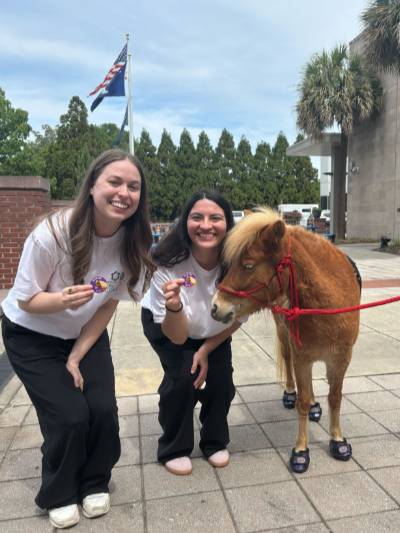
This year’s event offered more than 30 educational workshops on topics ranging from childhood diagnosis to services for adults with autism. A quiet room allowed attendees with sensory sensitivities to take a break from the crowds, and Muffin and Mila, miniature horses trained for therapeutic support, attended as well.
More than two dozen USC students and recent graduates volunteered at the event, but it was an educational opportunity for them, too.
“I found this event to be a rewarding opportunity to learn more about the autism community in South Carolina while gaining insight into clinical career paths that align with my future goals," said Lauren Puttock, a 2025 graduate who now works in Bradshaw’s Early Social Development Lab at USC.
While a key part of AutismConnect is helping people discover service providers, it also has helped to build a sense of community and involvement.
“The conference created a meaningful opportunity for individuals to be seen, connect with others who share similar experiences, and feel a sense of belonging,” Bradshaw said. “For many, it reinforced the important message that they are not alone.”
Terry has seen that firsthand. When she attended the first AutismConnect in 2024, her then-2-year-old son had been diagnosed with autism, epilepsy and cerebral palsy. The event gave her confidence in raising a child with disabilities.
“I have him wrapped up in services that are beneficial to him,” she said.
Terry recently graduated from Partners in Policymaking, a program she discovered at AutismConnect last year. Offered by the South Carolina Developmental Disabilities Council, the program helps people become effective advocates for people with disabilities. She is excited to apply what she learned, but she also hopes to continue learning. While employed as a social worker, Siani is studying to prepare for law school.
One of the biggest lessons AutismConnect has taught her is to not give up. Even when she doesn’t succeed in finding a resource that her son needs, continuing to ask always pays off. “I’ve learned ‘no’ is not a possibility,” she said. “There’s a ‘yes’ for everyone.”